
If you or someone you love has been diagnosed with glaucoma, you might be wondering about its effects beyond just vision changes. This is an important question, and our team at Total Vision La Quinta is here to help you understand what glaucoma is, what it does, and whether it can affect balance or cause dizziness.
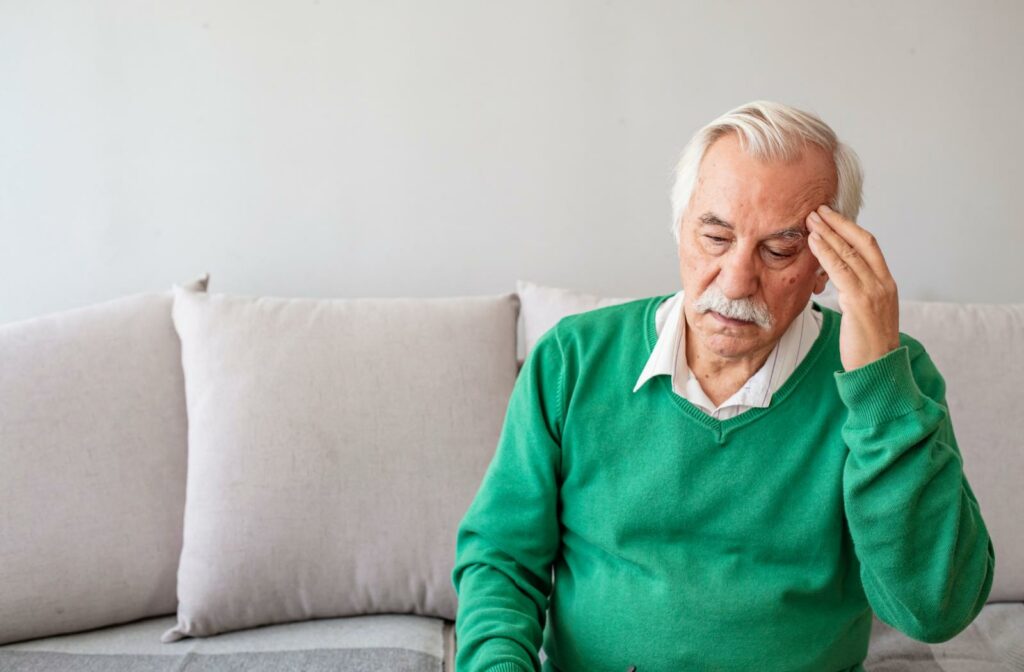
Glaucoma does not typically cause true vertigo, which is usually related to conditions affecting the inner ear. However, glaucoma can affect your vision, and vision plays an important role in helping you maintain balance and navigate the world around you. When vision changes occur, some people may notice feelings of unsteadiness or reduced confidence while walking.
Key Takeaways
- Glaucoma does not typically cause true vertigo.
- Vision loss from glaucoma can affect balance and spatial awareness in some people.
- Peripheral (side) vision plays an important role in helping you navigate your surroundings safely.
- Changes in vision may increase the risk of falls, especially in older adults.
- Regular eye exams can help detect glaucoma early and support long-term eye health.
How Glaucoma Can Affect Spatial Awareness
Your eyes provide your brain with important information about your surroundings. This visual input works together with signals from your muscles, joints, and inner ear to help you maintain balance and coordinate movement.
Glaucoma damages the optic nerve (the nerve that sends signals to your brain) over time, which can reduce the amount of visual information reaching the brain. In many cases, glaucoma affects peripheral (side) vision first. As side vision narrows, it may become harder to notice obstacles, judge distances, or move confidently through crowded spaces.
For some people, these changes can contribute to feelings of imbalance or unsteadiness, particularly as the condition progresses.
How High Eye Pressure Changes Your Balance
The Role of the Vestibular System
Inside your inner ear is a system called the vestibular system, which helps you maintain your balance and understand where your body is in space. It works closely with your eyes and other sensory systems to help you stay steady when you’re walking or turning.
When these systems aren’t working together properly, you may feel dizzy, unsteady, or off balance. Because your vision plays an important role in navigating your surroundings, changes in your eyesight can sometimes affect how confident and stable you feel during everyday activities.
Age and Increased Fall Risks
Good vision plays an important role in your mobility, especially when you’re moving through new environments.
When vision becomes restricted, like in cases of glaucoma, navigating these environments can become more challenging. Research has shown that vision loss is associated with an increased risk of falls, particularly among older adults.
This doesn’t mean glaucoma will automatically cause a balance problem. It does mean, however, that maintaining healthy vision through regular eye care can help support safe movement and independence as you age.
Common Signs of Glaucoma to Watch For
Glaucoma often has no early symptoms, which is why eye exams are so important. Early detection can make a difference because treatment is often more effective in the early stages of a disease.
Though early-stage glaucoma is often without symptoms, as it advances, you may notice a few small changes in your sight:
- Gradual loss of peripheral (side) vision
- Difficulty seeing objects off to the side
- Trouble navigating in dim lighting
- Having more trouble with activities that rely on peripheral awareness
Symptoms That Require Immediate Attention
Some warning signs mean you need to seek prompt professional care. These can include:
- Sudden vision loss
- Severe eye pain
- Significant redness in the eye
- Halos around lights accompanied by pain
- Nausea or vomiting along with eye discomfort
These symptoms can be associated with acute angle-closure glaucoma, a medical emergency that requires prompt treatment.
The Importance of Routine Eye Exams
Early Detection Matters
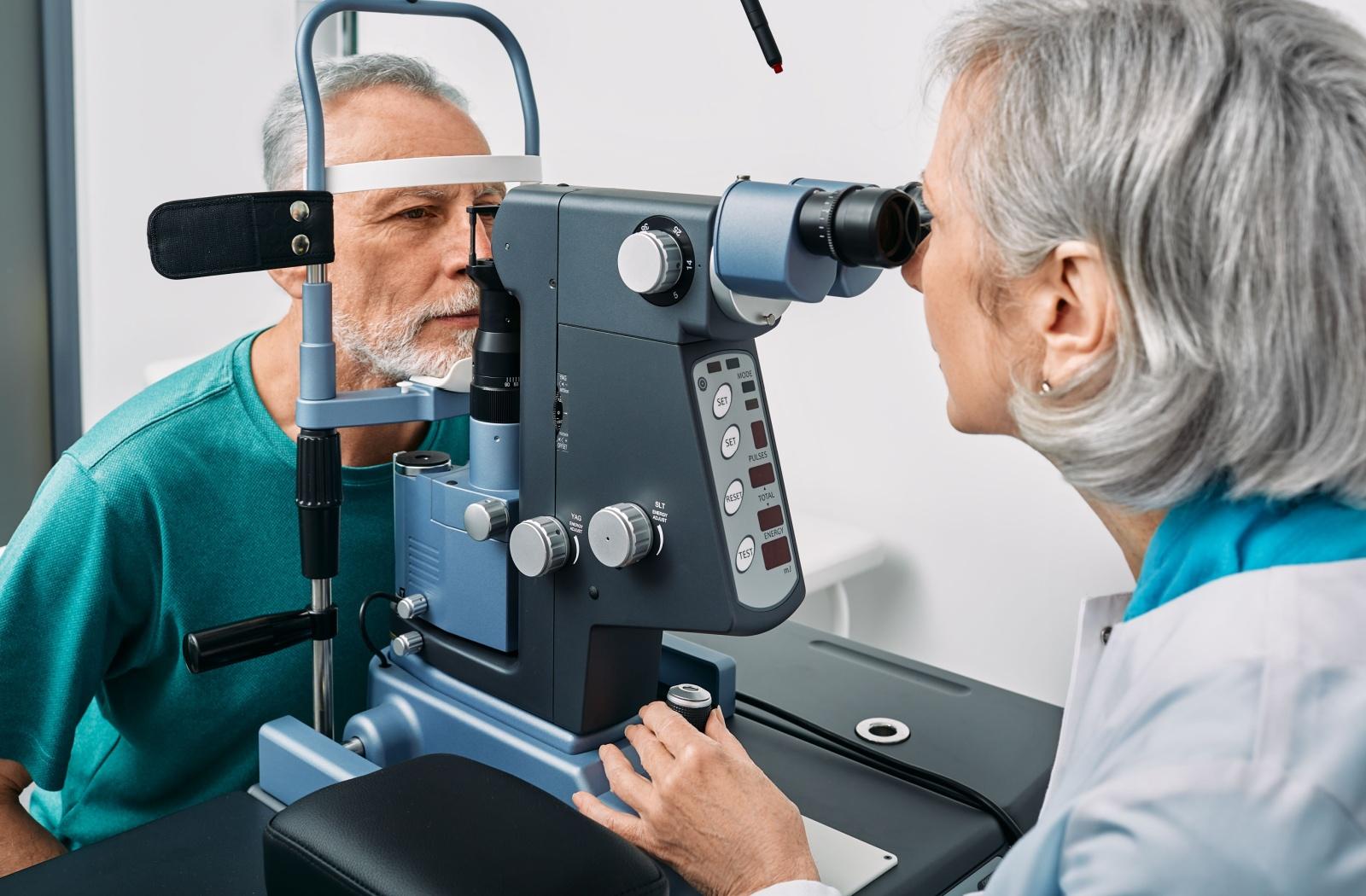
Minor changes in your sight often go unnoticed, but an eye exam gives a professional a chance to monitor your eye health, sometimes before any symptoms appear. If glaucoma is detected, early diagnosis and treatment can often slow or prevent further damage.
Regular eye exams allow an eye doctor in La Quinta to monitor eye pressure, evaluate the health of your optic nerve, and look for early signs of glaucoma before symptoms appear.
Clear Vision for Your Future
Preventive eye care helps you maintain your spatial awareness for daily tasks. For example, protecting your eyesight can help you keep reading your favorite books and driving safely for years to come.
Schedule Your Eye Exam
At Total Vision La Quinta, we’re committed to helping you protect your long-term eye health. Whether you’re concerned about glaucoma, experiencing vision changes, or simply due for a routine eye exam, our team is here to help. Schedule your next eye appointment today.